
After a serious accident, the last thing you should have to worry about is how to afford a lawyer. You may be facing mounting medical bills, lost wages, and the stress of a long recovery. The question, “How much does it cost to hire a personal injury lawyer?” is one of the most common and important concerns for accident victims. The answer is simpler than you might think: at Pencheff and Fraley, it costs you nothing upfront. We work on a contingency fee basis, which means we only get paid if we win your case.
This comprehensive guide will demystify personal injury lawyer costs, explain how contingency fees work, and show you why hiring an experienced attorney is one of the best investments you can make in your future. We will cover everything from typical fee percentages to hidden costs, and provide real-world examples to help you understand what to expect.
Understanding Personal Injury Lawyer Costs: An Overview
There are several ways a personal injury lawyer can charge for their services. While the vast majority of personal injury cases are handled on a contingency fee basis, it’s important to understand all the potential fee structures you might encounter.
| Fee Structure | How It Works | Best For |
| Contingency Fee | The lawyer’s fee is a percentage of the final settlement or award. You pay nothing if you lose. | Most personal injury cases, as it eliminates financial risk for the client. |
| Hourly Rate | The lawyer charges a set rate for each hour they work on your case. | Cases with a predictable and limited scope, which is rare in personal injury law. |
| Flat Fee | A single, upfront fee for a specific legal service. | Simple, routine legal tasks, not complex personal injury cases. |
| Retainer Fee | An upfront payment to secure the lawyer’s services, which is then billed against on an hourly basis. | Cases where the lawyer’s availability needs to be guaranteed, but uncommon in personal injury. |
At Pencheff and Fraley, we believe that everyone deserves access to justice, regardless of their financial situation. That’s why we exclusively use the contingency fee model for all our personal injury cases. This aligns our interests with yours and ensures that our primary focus is on getting you the maximum compensation possible.
Contingency Fee Arrangements Explained
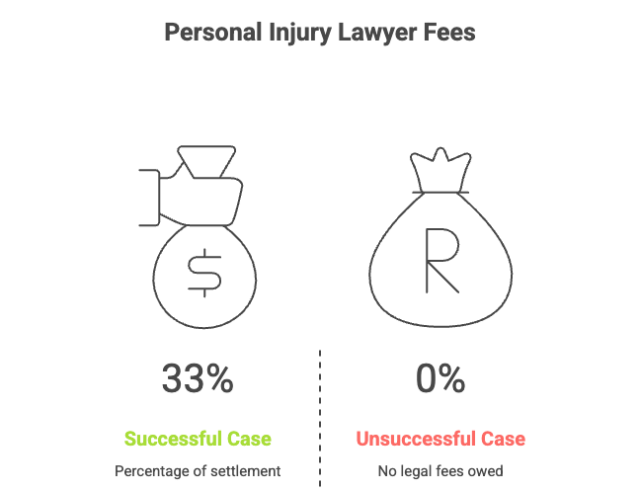
A contingency fee agreement is a contract between you and your lawyer that states the lawyer will only receive a fee if they successfully recover money for you. This fee is a predetermined percentage of your total settlement or jury award. If your lawyer doesn’t win your case, you owe them nothing in legal fees. This is often referred to as a “no win, no fee” promise.
“Our contingency fee promise is simple: we don’t get paid unless you do. This removes the financial burden from our clients and allows them to focus on their recovery while we focus on fighting for their rights.” – Ray Ghosn, Pencheff and Fraley
What Percentage Do Personal Injury Lawyers Take?
The standard contingency fee percentage for personal injury lawyers typically ranges from 33% to 40% of the final settlement amount. The exact percentage can vary depending on several factors, including:
- Case Complexity: More complex cases that require extensive investigation and expert testimony may have a higher percentage.
- Case Stage: The fee may be lower if the case settles quickly and higher if it goes to trial.
- State Regulations: Some states have laws that cap contingency fees in certain types of cases, such as medical malpractice.
It’s important to discuss the contingency fee percentage with your lawyer during your free consultation and ensure it is clearly stated in your fee agreement.
Other Costs and Expenses in Personal Injury Cases
While the contingency fee covers your lawyer’s time and effort, there may be also other costs and expenses associated with pursuing a personal injury claim. These are the costs of building your case and are separate from the attorney’s fee.
Common case expenses include:
- Court Filing Fees: The cost to file a lawsuit with the court.
- Expert Witness Fees: Fees for hiring experts, such as doctors, economists, and accident reconstructionists, to testify on your behalf.
- Deposition and Transcript Costs: The cost of deposing witnesses and obtaining written transcripts of their testimony.
- Investigation Costs: The cost of hiring investigators to gather evidence, such as photos, videos, and witness statements.
- Medical Record Retrieval Costs: The cost of obtaining your medical records from hospitals and doctors.
- Administrative Costs: The cost of postage, copying, and other administrative tasks.
We will provide you with a detailed, itemized list of all expenses for your case so you can see exactly where your money is going.
How Fees Vary by Case Type
The complexity and potential costs of a personal injury case can vary significantly depending on the type of accident. Here’s a general overview of how fees and costs can differ:
| Case Type | Complexity | Potential Costs |
| Car Accidents | Moderate | Moderate (accident reconstruction, medical experts) |
| Medical Malpractice | High | High (multiple medical experts, extensive record review) |
| Slip and Fall | Moderate | Moderate (engineering experts, property records) |
| Wrongful Death | High | High (economic experts, grief counselors) |
Real-World Settlement Examples
To help you understand how fees and costs are calculated, here are a few hypothetical settlement examples:
Example 1: Car Accident Settlement
- Gross Settlement: $100,000
- Attorney’s Fee (33.3%): $33,300
- Case Expenses: $5,000
- Medical Liens: $10,000
- Net to Client: $51,700
Example 2: Slip and Fall Settlement
- Gross Settlement: $250,000
- Attorney’s Fee (35%): $87,500
- Case Expenses: $15,000
- Medical Liens: $25,000
- Net to Client: $122,500
Example 3: Medical Malpractice Settlement
- Gross Settlement: $1,000,000
- Attorney’s Fee (40%): $400,000
- Case Expenses: $50,000
- Medical Liens: $100,000
- Net to Client: $450,000
What Happens If You Lose Your Case?
This is a critical question that many accident victims have. With a contingency fee agreement, if you lose your case, you do not owe your lawyer any legal fees. This is the “no win, no fee” promise. At Pencheff and Fraley, we are so confident in our ability to win.
The True Cost-Benefit Analysis: Is Hiring a Lawyer Worth It?
Many people wonder if they can save money by handling their own personal injury claim. However, studies have consistently shown that accident victims who hire a personal injury lawyer receive significantly higher settlements than those who don’t. A study by the Insurance Research Council found that, on average, personal injury plaintiffs who hired a lawyer received 3.5 times more in settlement money than those who represented themselves.
Here’s a look at the value an experienced personal injury lawyer brings to your case:
- Maximizing Your Compensation: We know how to value your claim and fight for every dollar you deserve.
- Leveling the Playing Field: Insurance companies have teams of lawyers working to minimize your payout. We level the playing field and protect your rights.
- Handling the Legal Complexities: We handle all the paperwork, deadlines, and legal procedures so you can focus on your recovery.
- Reducing Your Stress: We take the stress and burden of dealing with the insurance company off your shoulders.
Red Flags in Fee Agreements
While most personal injury lawyers are ethical and transparent, there are a few red flags to watch out for in a fee agreement:
- Vague or Unclear Fee Percentages: The fee percentage should be clearly stated and easy to understand.
- Hidden Fees or Costs: The agreement should clearly outline all potential costs and expenses.
- Responsibility for Costs if You Lose: Be wary of agreements that make you responsible for all costs, even if you lose.
- Pressure to Sign Immediately: You should never feel pressured to sign a fee agreement without having time to review it and ask questions.
Frequently Asked Questions (FAQ)
- How much does a personal injury lawyer cost?
Most personal injury lawyers work on a contingency fee basis, which means you pay nothing upfront and only pay a percentage of your settlement if you win. - What percentage do personal injury lawyers take?
The standard percentage is between 33% and 40% of the final settlement. - Do I pay if I lose my case?
With a contingency fee agreement, you do not pay any attorney fees if you lose your case. - Are personal injury lawyer fees negotiable?
In some cases, fees may be negotiable, especially for very large or straightforward cases. - What other costs are involved in a personal injury case?
Other costs can include court filing fees, expert witness fees, and investigation costs.
Don’t Wait, Schedule Your Free Case Review Today
The moments after an accident are stressful and confusing, but you don’t have to navigate the legal system alone. The decisions you make now can have a lasting impact on your financial future and your ability to recover from your injuries. With Florida’s strict two-year statute of limitations, time is not on your side.
Contact us today for a free, no-obligation consultation. We will review your case, answer your questions, and explain your legal options. Learn how we can help you on the road to recovery. Pay nothing unless we win your case.
Call us at 904-770-4953 or visit our website at www.pencheffandfraley.com to schedule your free case consultation.
We’re Here for You 24/7
We are available 24/7 to take your call. If you are unable to travel, we will come to you. The sooner you call, the stronger your case can be. Your path to maximum compensation and justice starts with a single phone call to Pencheff & Fraley.
Author: Pencheff and Fraley Legal Team
Disclaimer: This article is for informational purposes only and does not constitute legal advice. Every case is unique, and you should consult with a qualified attorney about your specific situation.