

If you have been injured on someone else’s property, understanding Florida slip and fall laws: what you need to know is crucial. A sudden accident can lead to severe injuries and mounting medical bills. Securing fair compensation is not as simple as showing that you fell. Under Florida premises liability statutes, the burden of proof rests heavily on the injured victim.
Recent legislative changes, particularly the tort reform of HB 837 enacted in 2023, have altered the legal landscape. These changes reduced the time you have to file a lawsuit and fundamentally changed how fault is calculated. In this comprehensive guide, we break down exactly what you need to know about Florida slip and fall laws.
Understanding Premises Liability in Florida
Slip and fall cases fall under a specialized area of personal injury law known as premises liability. Property owners and business operators have a legal duty to maintain their premises in a reasonably safe condition. When they fail to meet this obligation, and their negligence causes an injury, they can be held financially responsible.
However, the level of care a property owner owes you depends entirely on your legal status as a visitor at the time of the accident. Understanding these categories is the first step in proving property owner negligence.
The Three Types of Property Visitors
Florida law categorizes visitors into three distinct groups. Each group is owed a different duty of care by the property owner:
- Invitees: This category includes customers at a grocery store or diners at a restaurant. Property owners owe invitees the highest duty of care. They must actively inspect the property for hazards and repair any known dangers.
- Licensees: Social guests invited to a private home are considered licensees. Property owners must warn licensees of any known dangerous conditions that are not obvious. They do not have a strict duty to actively inspect the property.
- Trespassers: Individuals who enter a property without permission are trespassers. Property owners generally owe no duty of care to adult trespassers, other than to refrain from intentionally harming them.
Proving Liability: Florida Statute 768.0755
One of the most challenging aspects of a slip and fall claim is proving that the property owner is legally liable. The specific requirements are outlined in Florida Statute § 768.0755.
If you slip and fall on a transitory foreign substance in a business establishment, you must prove that the business had actual or constructive knowledge of the dangerous condition. You must also prove they should have taken action to remedy it.
Actual vs. Constructive Knowledge
To win your case, your legal team must demonstrate one of two types of knowledge:
- Actual Knowledge: This means the property owner or their employees explicitly knew about the hazard. For example, another customer reported a spill, but the manager failed to clean it up.
- Constructive Knowledge: This means the hazard existed for a sufficient length of time that the property owner should have discovered it. Alternatively, constructive knowledge can be proven if the dangerous condition occurred with regularity.
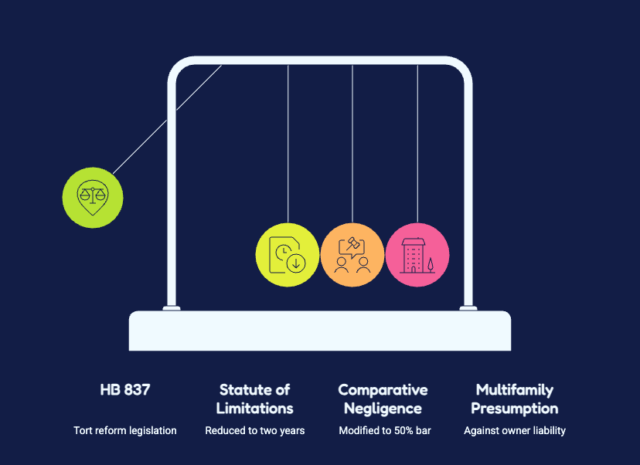
The Impact of HB 837 on Florida Slip and Fall Claims
In March 2023, Florida enacted House Bill 837, a massive tort reform package. This legislation drastically changed personal injury litigation, including slip and fall cases. If you are pursuing a claim today, you must be aware of these critical updates.
The New Slip and Fall Statute of Limitations Florida
The most immediate change is the reduction in the statute of limitations. Previously, injury victims had four years to file a negligence lawsuit. Under the new law, the statute of limitations is now only two years from the date of the accident.
Failing to file your lawsuit within this two-year window will generally result in your case being dismissed. Understanding the statute of limitations for your injury claim is absolutely vital.
Modified Comparative Negligence Florida Slip and Fall
Florida also shifted from a pure comparative negligence system to a modified comparative negligence system. Under the new modified system (Florida Statute § 768.81), if you are found to be more than 50% at fault for your injuries, you are barred from recovering any compensation.
Insurance companies will aggressively try to assign blame to you. They may argue that the hazard was open and obvious or that you were distracted. This makes fighting back against comparative negligence arguments more important than ever.
Multifamily Property Presumption
HB 837 also introduced a new presumption against liability for owners of multifamily residential properties. This applies if they implement specific security measures, such as adequate lighting and security cameras. This can impact slip and fall cases occurring in common areas. If you were injured due to neglected stairwell maintenance, overcoming this presumption requires skilled legal strategy.
Common Causes and Locations of Slip and Fall Accidents
Slip and fall accidents can happen anywhere. However, certain conditions and locations are notorious for causing severe injuries. Knowing these common hazards can help you stay safe.
Frequent Hazards
Many different hazards can lead to a slip and fall accident. Some of the most frequent include:
- Wet or recently mopped floors without proper warning signs.
- Spilled liquids or dropped food in grocery store aisles.
- Uneven pavement, cracked sidewalks, or potholes.
- Torn, bunched, or unsecured carpeting and floor mats.
- Poorly lit walkways and stairwells.
- Missing or broken handrails.
High-Risk Locations
While a fall can occur in a private residence, the most complex premises liability claims usually involve commercial properties. These locations frequently include:
- Supermarkets and big-box retailers.
- Restaurants, bars, and cafes.
- Hotels and resorts.
- Shopping malls.
- Apartment complexes and condominiums.
If you fall on government property, special rules apply. Claims against the government require a strict pre-suit notice period and are subject to sovereign immunity damage caps.
What Damages Can You Recover in a Florida Slip and Fall Case?
A severe slip and fall can result in devastating injuries, including traumatic brain injuries and broken hips. These injuries often require extensive medical treatment and time away from work. Through a successful premises liability claim, you can seek compensation for both economic and non-economic damages.
Economic Damages
These are the quantifiable financial losses you have suffered due to the accident:
- Past and future medical expenses, including hospital bills and physical therapy.
- Lost wages for the time you missed from work.
- Loss of future earning capacity if your injuries result in a long-term disability.
- Out-of-pocket expenses related to your injury.
Non-Economic Damages
These damages compensate you for the subjective, intangible impacts of the accident:
- Pain and suffering.
- Emotional distress and mental anguish.
- Loss of enjoyment of life.
- Disfigurement or permanent scarring.
In cases involving severe, life-altering harm, you may be dealing with a catastrophic personal injury claim. This requires a meticulous calculation of your lifelong care needs.
Critical Steps to Take After a Slip and Fall Accident
What you do in the immediate aftermath of a slip and fall can make or break your personal injury claim. To protect your rights under Florida slip and fall laws, follow these essential steps.
Seek Immediate Medical Attention
Your health is the top priority. Even if you feel fine, adrenaline can mask severe injuries. Seeing a doctor creates an official medical record linking your injuries to the fall. Always consider getting a second medical opinion if your pain persists.
Document and Report the Scene
Notify the property owner or store manager immediately. Ask them to file an official written incident report and request a copy for your records. If you are physically able, take clear photographs and videos of the exact hazard that caused your fall.
Do Not Speak to the Insurance Company
The property owner’s insurance adjuster will likely contact you quickly. They are looking for reasons to deny your claim or offer a low settlement. Be prepared for fighting insurance low-ball payout offers by directing all communication to your attorney.
Avoiding Common Mistakes in Your Injury Claim
Navigating the legal system is complex, and innocent mistakes can jeopardize your compensation. One of the most frequent errors is waiting too long to act. You must avoid running afoul of the injury claim deadlines.
Other critical errors include posting about your accident on social media or failing to follow your doctor’s prescribed treatment plan. Being aware of these common mistakes in personal injury claims is essential for a successful outcome.
Frequently Asked Questions About Florida Slip and Fall Laws
How long do I have to sue for a slip and fall in Florida?
Under the updated Florida laws enacted in 2023, you have exactly two years from the date of the slip and fall accident to file a personal injury lawsuit. If you miss this deadline, your case will likely be dismissed.
What if I was partially at fault for my slip and fall?
Florida follows a modified comparative negligence rule. If you are found to be 50% or less at fault, your compensation will be reduced by your percentage of fault. However, if you are found to be more than 50% at fault, you cannot recover any damages.
How do I prove the store knew about the spilled liquid?
You must prove actual or constructive knowledge. This is typically done by securing surveillance video, obtaining maintenance and sweep logs, or gathering witness statements showing the spill existed for a long enough time.
Will my slip and fall case go to trial?
Most slip and fall claims are settled out of court through negotiations with the property owner’s insurance company. However, if the insurer refuses to offer a fair settlement or disputes liability, your attorney may recommend taking the case to trial.
Can I sue the city if I trip on a broken public sidewalk?
Yes, but claims against government entities involve strict rules. You must provide a formal pre-suit notice within a specific timeframe, and the amount of damages you can recover is capped by Florida’s sovereign immunity laws.
Secure the Legal Representation You Deserve
Dealing with the aftermath of a slip and fall accident is overwhelming. Between recovering from your injuries and facing aggressive insurance adjusters, you should not have to navigate Florida slip and fall laws alone.
At Pencheff and Fraley LPA, our experienced personal injury attorneys understand the complexities of premises liability cases. We know how to investigate your accident, preserve crucial evidence, and aggressively pursue the maximum compensation you deserve.
Contact us today for a free, no-obligation consultation. We will review your case, answer your questions, and explain your legal options. Learn how we can help you on the road to recovery. Pay nothing unless we win your case.
Call us at 904-770-4953 or visit our website at www.pencheffandfraley.com to schedule your free case consultation.
We’re Here for You 24/7
We are available 24/7 to take your call. If you are unable to travel, we will come to you. The sooner you call, the stronger your case can be. Your path to maximum compensation and justice starts with a single phone call to Pencheff & Fraley.
Author: Pencheff and Fraley Legal Team
Disclaimer: This article is for informational purposes only and does not constitute legal advice. Every case is unique, and you should consult with a qualified attorney about your specific situation.